
By Shilpi Saurav Sharan and Huda Jafri
Introduction
India’s rapidly expanding cosmetics and skincare industry has witnessed a significant rise in intellectual property disputes, particularly those concerning packaging, colour schemes, and overall visual presentation of products. In an industry where branding, shelf appeal, and visual recall play a decisive role in consumer engagement, disputes relating to trade dress have increasingly become a focal point of litigation.
One such high-profile dispute arose between- The Derma Co. and Dermatouch, wherein allegations of copyright infringement and passing off were levelled on the basis of allegedly similar trade dress and colour combinations. The matter was adjudicated by the Hon’ble Delhi High Court, which ultimately refused to grant an interim injunction in favour of the Plaintiff- The Derma Co.
Factual Matrix of the Case
Both Plaintiff and Defendant companies are engaged in the business of manufacturing, marketing, and selling skincare, beauty, and personal care products in India and enjoy considerable market presence and consumer recognition.
The Derma Co. alleged that Dermatouch had adopted an identical and deceptively similar trade dress, colour scheme, packaging layout, and overall get-up for similar skincare products, with the intention of riding upon the goodwill and reputation associated with The Derma Co.
Consequently, The Derma Co. instituted a suit alleging infringement of its copyright in the artwork, trade dress, packaging, get-up, layout, colour combination, colour arrangement, and overall representation of its products, along with a claim of passing off against Dermatouch.
Comparison of Subject and Impugned Trade Dress
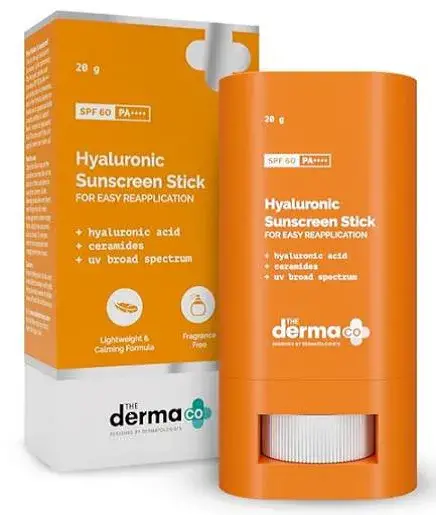
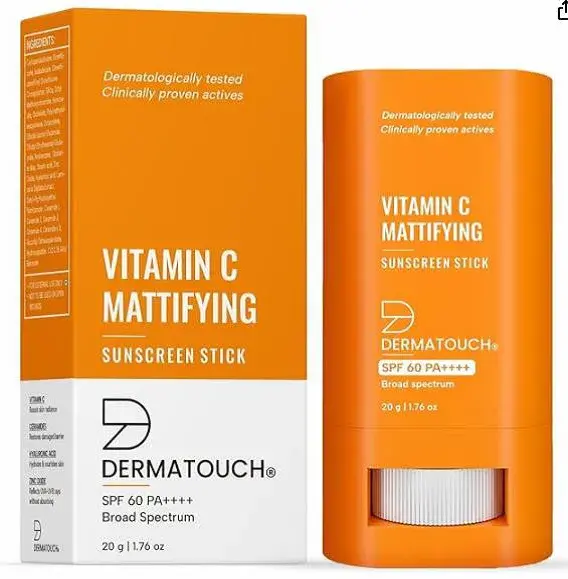
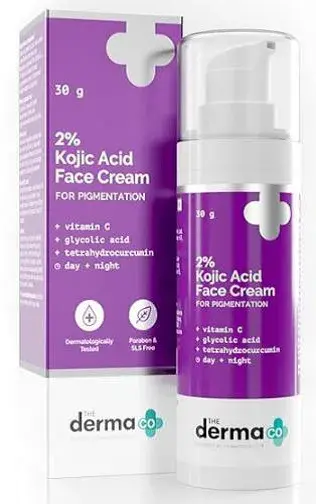
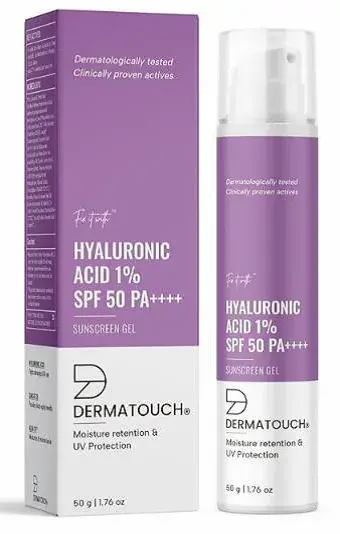
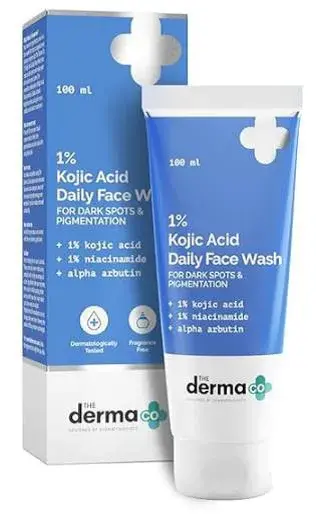
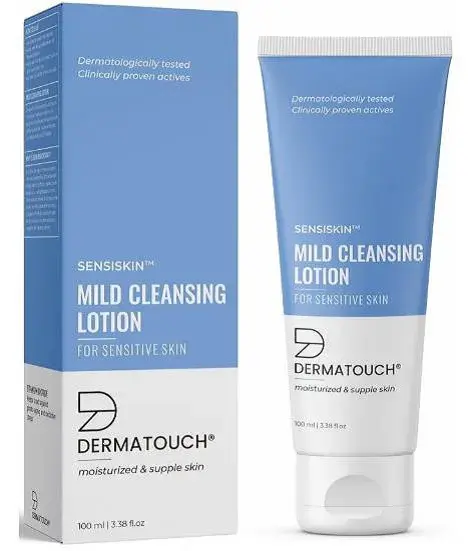
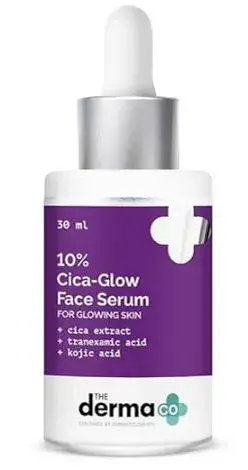
The Plaintiff relied upon a visual comparison of the subject trade dress and the impugned trade dress, as reproduced from the judgment, to demonstrate alleged similarities in colour schemes, layout, and overall presentation of identical products.
Comparison Table of the Subject Trade Dress & Impugned Trade Dress
| DERMA CO.
Image Source – Judgement |
DERMATOUCH
Image Source – Judgement |
 |
 |
 |
 |
 |
 |
 |
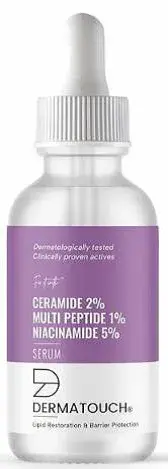 |
Plaintiff’s Claims
The Plaintiff contended that its trade dress comprised unique and distinctive colour combinations, namely orange-white, blue-white, and purple-white, depending on the variant and category of products. It was argued that the specific layout, colour arrangement, and manner of presentation constituted “original artistic works” within the meaning of the Copyright Act, 1957, thereby entitling the Plaintiff to copyright protection.
It was further submitted that:
- The Plaintiff had been using the subject trade dress since January 2020, whereas the first sale of the Defendant’s products was recorded only in June 2021.
- The Defendant had copied not merely individual elements but the entire colour scheme, get-up, layout, and overall representation of the subject trade dress in respect of identical products.
- In actions for passing off, the decisive factor is the overall impression conveyed by the colour combination, shape of container, packaging, get-up, and layout, rather than minute differences.
Relying on judicial precedents such as Colgate Palmolive Co. v. Anchor Health and Beauty Care (P) Ltd.[1], Cadbury India Ltd. v. Neeraj Food Products[2], and Seven Towns Ltd. v. Kiddiland[3], the Plaintiff argued that the Court must focus on similarities rather than dissimilarities and that deliberate copying raises a presumption of deception. It was submitted that even without a side-by-side comparison, if the overall idea or impression is copied, it would amount to infringement and passing off.
DEFENDANT’S SUBMISSIONS
The Defendant refuted the allegations and submitted that:
- The use of two-colour combinations in a 2/3rd:1/3rd ratio is common and prevalent in the skincare industry.
- Copyright in such trade dress subsisted with other brands, including Hylamide, as early as 2015, thereby negating any claim of originality by the Plaintiff.
- The subject trade dress had been adopted by at least four other skincare brands prior to The Derma Co.
- Mere variations or combinations of colours do not qualify as “artistic works” under Section 2(c) of the Copyright Act, 1957.
- In the skincare and cosmetic industry, consumers make purchasing decisions based on ingredients, formulation, skin type, and specific skin concerns rather than on packaging colours or design.
- The impugned trade dress was adopted bona fide, without any intent to copy or cause consumer confusion.
Reliance was also placed on Himalaya Drug Co. v. SBL Ltd.[4], wherein it was held that where parties have co-existed in the market for a substantial period, the Plaintiff must demonstrate concrete evidence of actual confusion.
Court’s Observations and Judgment
The Hon’ble Delhi High Court, while considering the question of deceptive similarity, held that the assessment must be guided by:
- the class of consumers likely to be confused; and
- the legal manner in which similarities are to be evaluated.
The Court observed that the products in question had different chemical compositions designed to serve specific purposes, with ingredients such as kojic acid and hyaluronic acid clearly displayed on the packaging. It held that the decision to purchase such skincare products is largely dependent on formulation and claimed benefits, thereby reducing the likelihood of confusion arising merely from similarities in trade dress.
The Court further noted that:
- the impugned products were marketed under the distinct mark “DERMATOUCH,” which was prominently displayed.
- the marks “THE DERMA CO.” and “DERMATOUCH” were visually and phonetically distinct.
- the relevant consumers were reasonably informed and ingredient-conscious; and
- There was no evidence of actual consumer confusion despite nearly four years of co-existence between the parties.
On this basis, the Court held that the Plaintiff had failed to establish the essential prima facie requirements for a passing-off action and declined to grant an interim injunction. The Court also cautioned that extending copyright protection over colour combinations would result in an unwarranted monopoly and adversely impact market competition.
Similar Trade Dress Infringement Cases in the Skincare industry
From the past rulings of the Court in similar matters of trade dress protection in the skincare industry, it has been observed that the Court in general has protected the distinctive cosmetic and skincare trade dresses and granted injunction order in favour of the , thereby Plaintiff restricting the Defendants from using the deceptively similar trade mark or trade dress, if there are visual similarities and scope of confusion among the consumers. Some of the similar trade dress cases where the Court has granted the injunction order to protect the goodwill and rights of the Plaintiff from unauthorized usage are as follows:
- Blue Heaven Cosmetics (P) Ltd. v. Anish Jain, 2023.[5]
Blue Heaven Cosmetics alleged the Defendant had imitated its distinctive cosmetic packaging, colour scheme and overall trade dress. The Court found the Defendant’s product to be deceptively similar to take unfair advantage of Plaintiff’s goodwill and thus granted ad-interim injunction restraining the further use of the impugned trade dress. - Beiersdorf AG v. RSH Global Private Limited & Another.[6]
Plaintiff claimed that the Defendant had infringed the trade dress and copyright in the artistic work of its popular cosmetic NIVEA cream packaging, under the name of JOY with deceptively identical representation. The Delhi High Court, held that there was a prima facie case of deliberate infringement and restricted further usage of the impugned product through an injunction order. Court also laid down that, the test of comparison between rival products is to compare them as a whole. - Sun Pharmaceutical Industries Limited v. Nukind Healthcare Private Limited and another.[7]
Sun Pharma who owns the mark ‘REVITAL’ and its distinctive label, cartoon packaging and overall trademark, alleged that the Defendant had adopted a deceptively identical trade name, color scheme and trade dress under the name of ‘NUVITAL’. The Delhi High Court, restrained the Defendant from using the impugned for being deceptively similar and likely to lead confusion among consumers.
Conclusion
In an increasingly competitive beauty and skincare market, this decision reinforces that trade dress protection is neither automatic nor absolute. Claims found solely on colour combinations or generic packaging elements must undergo strict judicial scrutiny, particularly in the absence of distinctiveness or secondary meaning.
While earlier decisions have granted injunctions where the overall look and representation were found to be deceptively similar, this judgment marks a perceptible shift. The Court has emphasized the need to look beyond visual similarity and focus on secondary meaning, consumer perception, and tangible evidence of confusion.
By adopting a consumer-centric and evidence-based approach, especially in science-driven industries such as skincare and pharmaceuticals, the Court has clarified the boundaries of trade dress protection and prevented the over-extension of copyright and trademark monopolies over commonplace design elements.
Our Coverage on LinkedIn: https://www.linkedin.com/feed/update/urn:li:activity:7430487204046647296
[1] Colgate Palmolive Co. v. Anchor Health and Beauty Care (P) Ltd. , 2003 SCC OnLine Del 1005;
[2] Cadbury India Ltd. v. Neeraj Food Products, 2007 SCC OnLine Del 841
[3] Seven Towns Ltd. v. Kiddiland, 2016 SCC OnLine Del 5168.
[4] Himalaya Drug Co. v. SBL Ltd., 2010 SCC OnLine Del 2206.
[5] Blue Heaven Cosmetics (P) Ltd. v. Anish Jain, 2023[5] SCC OnLine Del 8509.
[6] Beiersdorf AG v. RSH Global Private Limited & Anr. CS(COMM) 48/2021
[7] Sun Pharmaceutical Industries Limited v. Nukind Healthcare Private Limited and another CS(COMM) 209/2021.