

By Vikrant Rana and Titiksha Sinha
Introduction
Success and experience, no matter how impactful, are often short-lived if not consistently reinvented and reinforced, and that is exactly what many iconic brands have mastered. Brands have recognized that an emotional connection with fans is crucial to preserving a brand’s legacy, as it turns consumers into loyal advocates and keeps the story alive across generations.
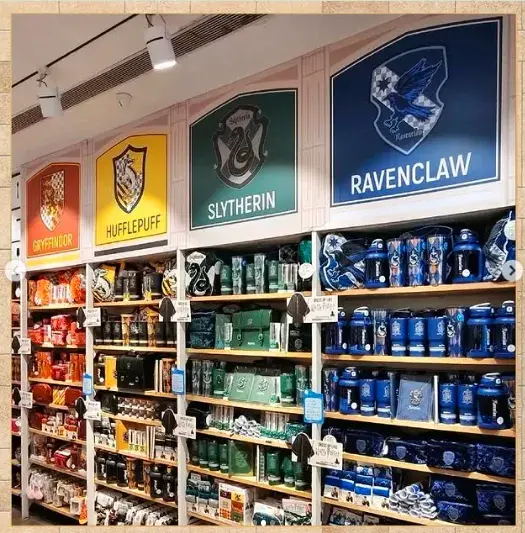
For instance, J.K. Rowling’s Harry Potter universe did not end with the books or movies, through merchandising, licensing, spin-offs, and theme park attractions, the magic continues to thrive in everyday life. The collection recently launched by Miniso featured everything from plushies and tumblers to scarves and stationery, and they even created immersive Harry Potter pop-up stores that blended retail with experiential storytelling, keeping the craze alive.
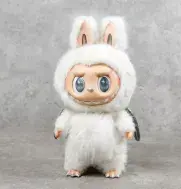
A very recent example is of Labubu dolls, which have become a striking pop culture phenomenon, captivating audiences with their quirky designs and immersive storytelling. It is a plush toy monster elf-hybrid that has carved a niche for itself in the toy world. It was first introduced as a character in Kasing Lung’s story series The Monsters, which draws inspiration from Nordic folklore, and has now become a cult favorite, with major retail collaborations leading to a frenzy.
The enduring rivalry and fandom between Marvel and DC is another example of how sustained engagement, new content, collectibles, and cross-platform presence have kept their identities alive till today. Similarly, Disney has kept its legacy alive by expanding Disneyland across countries, creating immersive experiences that span generations. Disney characters have adorned lunchboxes, clothes, and backpacks for decades, becoming a nostalgic symbol of childhood for many.
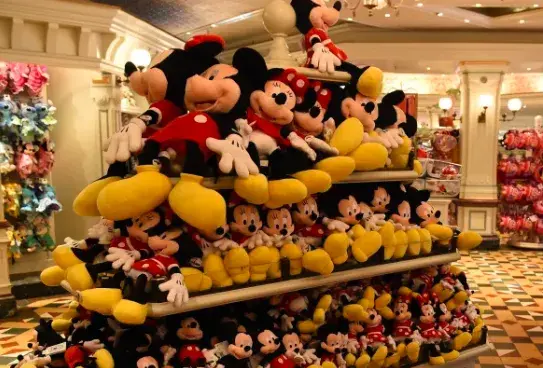
Source: https://www.vox.com/the-goods/2018/12/17/18145114/disney-theme-park-merchandise-flipping
This connection to popular media has not only shaped individual identities but also fostered a shared cultural language across generations all over the world, and generations have grown up embracing pop culture through the simple act of using merchandise that proudly displays their favorite bands, shows, movies and characters.
What Is Pop Culture and Pop Culture Merchandise?
Pop culture acts as an umbrella to a wide range of creative works, trends, and symbols that resonate with the masses, including music, movies, television shows, fashion, social media, and more. Pop culture merchandise refers to products inspired by mainstream entertainment, music, movies, and characters that allow fans to express their identities and passions. These items transform cultural moments into wearable or usable forms, turning fandom into lifestyle. From Star Wars action figures and Harry Potter wands to Friends coffee mugs, to Metallica’s iconic logo on countless black tees and Marvel hoodies, pop culture merchandise has become a powerful extension of the content itself.
Warner Bros. Studios has taken it further by offering immersive studio tours and exclusive merchandise ranging from DC collectibles to Harry Potter replicas, turning storytelling into a physical, commercial experience, which shows how deeply embedded pop culture is in consumer behavior, proving that merchandise is not just about promotion, it is about creating a lasting emotional and cultural impact. It keeps beloved stories alive far beyond the screen or stage, and evokes nostalgia, and personal meaning that strengthens the brand value. Example and Types of Pop Culture Merchandise:
| Movie and T.V. Shows Merchandise- Star Wars, Game of Thrones, Harry Potter
|
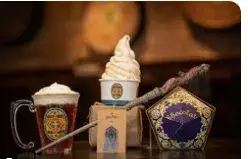
Source: https://www.klook.com/en-IN/activity/94391-harry-potter-new-york-store-voucher/ |
| Character Merchandise- Disney’s Mickey Mouse, Marvel, Labubu | 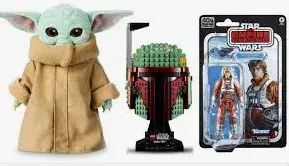
Source: https://www.disneystore.eu/characters-and-movies/popular-characters/yoda
|
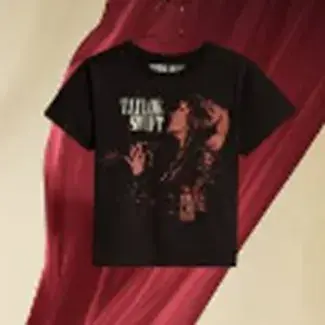
| Music and Celebrity Merchandise- Taylor Swift, BTS
|
|
| Gaming Merchandise- Pokémon | 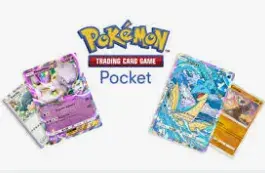
Source: https://tcg.pokemon.com/ |
Intellectual Property in Pop Culture
Pop culture merchandising thrives on the creative expressions found in films, TV shows, music, games, and celebrity culture, and its legal backbone lies firmly in Intellectual Property law, especially copyright, and trade marks. Characters, scripts, logos, songs, and visual designs are protected as copyrighted works, granting creators and companies the exclusive right to reproduce, license, and monetize them. This is what allows franchises like Harry Potter, Marvel, or Friends to legally produce merchandise, T-shirts, mugs, toys, games, and more, while preventing unauthorized use by others.
For example, Warner Bros. holds the copyright and trade marks rights to the Harry Potter universe, meaning no one can legally sell wands, robes, or Hogwarts-themed products without a license. Similarly, Disney’s characters, such as Mickey Mouse or Elsa from Frozen, are rigorously protected through copyright and licensing agreements. Brands like LEGO often enter partnerships with IP owners (e.g., LEGO x Star Wars) through licensing deals, which allow them to use copyrighted materials for merchandise while paying royalties to the rightsholders.
However, the ecosystem of pop culture merchandise faces a major challenge in the form of counterfeit and poor-quality merchandise. Rip-offs and cheap-quality merchandise pose a significant threat to the integrity and value of established pop culture brands. Counterfeit products, often poorly made and sold at lower prices, flood markets both online and offline, diluting the brand’s identity and compromising consumer trust. When fans unknowingly purchase fake or subpar versions of licensed merchandise, it reflects poorly on the original creators, even though they have no control over the quality.
For example, poorly printed Marvel T-shirts or fake Harry Potter wands can tarnish the immersive experience that official merchandise aims to deliver. These rip-offs not only result in financial losses for copyright holders but also undermine years of brand-building and fan loyalty. To combat this, many companies rely on intellectual property enforcement and consumer awareness campaigns to protect their brand value and ensure that authentic, high-quality products represent their legacy.
Brands safeguard their pop-culture merchandise by clearly identifying its source and origin. A registered trade mark not only notifies consumers of authenticity but also drives brand equity. When a consumer sees a trademarked logo or character, they immediately link it to the quality and legacy of the brand. As per HawkPartners’ 2022 Brand Authenticity Index, 90% consumers say that it is important for a brand to feel “authentic”, and that 77% are willing to pay for a brand they perceive as authentic. Sitecore’s 2022 U.S. Brand Authenticity Report reported that 70% of Americans crave deeper, more personal connections with brands. Therefore, it is safe to say that buyers check for an official trade mark registration insignia (i.e., proof of authenticity) before purchasing licensed goods.
Modern “smart labels” such as QR/NFC tags embedded in merchandise let end-users verify authenticity at any point, minimizing counterfeit risk and strengthening the role of a trade mark as a source identifier. Since 2006, Major League Baseball Properties, affixes tamper-resistant hologram stickers with unique alphanumeric codes to all game used memorabilia and licenses products, so that fans can verify each item via MLB.com’s Authentication Database.
Once the origin is secured via trade marks, copyright, etc., brands unlock multiple revenue streams through licensing and partnerships. According to Licensing International, global retail sales of licensed merchandise reached 356 Billion Dollars in 2023 and are projected to grow even further in the coming years. A recent high-profile collaboration of Kinder Joy x Harry Potter, drove around 1500 Million Dollars in India.
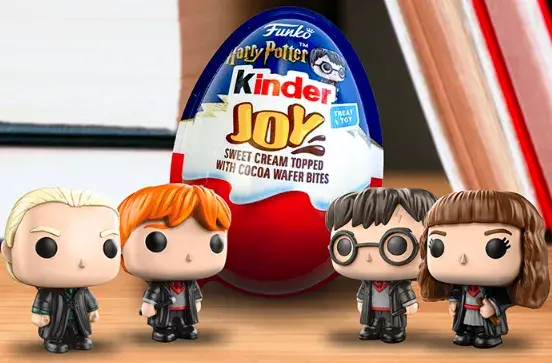
Source: https://thetoyinsider.com/kinder-joy-funko-harry-potter-launch/
In fact, major IP owners are also licensing characters for virtual wearables and in-game skin and those items also trade continuously on global marketplaces. Such as Web3 games utilize blockchain technology to grant players true ownership of in-game assets, such as skins, which are represented as NFTs.
Challenges and Solutions
- Counterfeiting and Piracy –
An OECD-EUIPO study estimated global trade in counterfeit goods as US 467$ Billion in 2021, about 2.3% of world trade with clothing and leather goods accounting for 62% of seizures. In the pop culture sector superhero figures, video games merchandise and sports jerseys are the most counterfeited products. An estimated global counterfeiting causes a loss of approximately $500 billion annually. Numerous e-commerce sites also provide these counterfeited products like Amazon, eBay, and Alibaba, as well as social networking sites are also being used for serving the purpose of selling counterfeited products like Instagram, and Facebook. In such cases, use of QR enabled ads or holograms on official merchandise that link to authentication portals, may help consumers in identifying originals.In Disney Enterprises Inc. v. Santosh Kumar & Ors.[1](2021), Disney filed a lawsuit against numerous local sellers for selling fake or counterfeited Disney character merchandise, including Mickey Mouse dolls without any permission. Hon’ble Delhi High Court issued an injunction restraining the defendants from conducting business of selling counterfeit goods and ordered them to pay the damages to the plaintiff.Since enforcement standards vary widely country to country, brands can run parallel watch programs and bring actions in multiple jurisdictions to combat infringers effectively. Further, stricter penalties for counterfeiting may be imposed, and regular IP raids may be conducted through collaboration between brand owners, police and custom authorities. In cases where there is repeated infringement, courts may grant dynamic injunction. - Fair Use and Parody-
Fair use serves as an exception under the Trade Marks Act, 1999, allowing limited use of a registered trade mark without the owner’s permission for purposes such as parody, commentary, criticism or descriptive use. However, parody in trade marks is a legal grey area in India, as courts have not laid out a definitive standard. The key issue is whether the use creates likelihood of confusion or suggests a commercial association. For Example, A T-shirt showing a caricature of Batman with a funny message may be protected as parody. However, simply using the unaltered Batman Logo on a hoodie for sale may amount to infringement, especially if it misleads consumers.In the case of Mattel Inc. v. MCA Records Inc. [2](2002), the toy company sued over the song ‘Barbie Girl’. The Court ruled that the song was a parody protected under fair use, reinforcing that not all use of a trade mark constitutes infringement, especially when the use is artistic and does not cause confusion.*While not binding, such global cases influence the Indian jurisprudence particularly in the area of parody and fair use. In the case of Tata Sons Ltd. v. Greenpeace International (2011), Greenpeace’s use of a spoof Tata logo in an online game critiquing its port project was allowed as it constituted non-commercial parody.A statutory provision recognizing parody as an exception may be added acknowledging parody as fair use in cases where it does not cause any consumer confusion, is transformative, and not purely commercial exploitation. This may help content creators to understand that boundary between creative freedom and infringement. - Trade Marks Dilution-
Section 29(4) of the Trade Marks Act prohibits dilution of well-known trade marks, even in cases where there is no confusion or competition. Dilution occurs in two forms-- Blurring- When a famous trade mark is used for unrelated goods, reducing its uniqueness. Example, using the name Harry Potter for a food chain or electronics store.
- Tarnishing- When a famous trade mark is used in a context that harms its reputation. Example, printing Disney characters on adult merchandise can be seen as diluting the family-friendly image of the brand.
To prevent misuse of popular brands on goods harming their reputation, AI tools may be deployed to track unauthorized usage across all marketplaces and social media platforms. This may reduce the threat of tarnishment and preserve brand integrity. Further, right holders must include robust quality control clauses in merchandising agreements to ensure consistency with brand image and avoid dilution.
- Jurisdictional Conflicts
Trade Mark protection in India is territorial governed by the principle that a trade mark must be registered in each country separately to claim exclusive rights. A trade mark registered in the U.S or U.K does not automatically grant protection in India. Example, Nike’s Jordan faced a long legal battle in China because a local company registered it earlier.[3] To ensure that businesses are aware of IP limitations, literacy campaigns can be launched, and platforms may be encouraged to include compliance reminders during listing of a product.
Conclusion
As pop culture continues to blend creativity, commerce and global fandom, the legal framework must evolve to balance innovation and enforcement. By simplifying IP protection processes and raising awareness among creators and consumers, India can build a legally robust, creator friendly and commercially safe environment for pop culture merchandise.
[1] https://vlex.in/vid/disney-enterprises-inc-anr-689351101