


By Lucy Rana and Nitika Sinha
The 300 years old stone sculpture art of Bihar’s Patharkatti village in Bihar’s Gaya district has finally been granted the Geographical Indication (GI) Tag in 2025. This prestigious recognition by the Geographical Indications Registry acknowledges the craftsmanship, historical legacy and the distinct material quality of the stone carvings originating from the Gaya region. This recognition paves the way for promotion and commercialization of the Patharkatti stone art in both national and international markets, potentially reviving the legacy of centuries old craftsmanship.
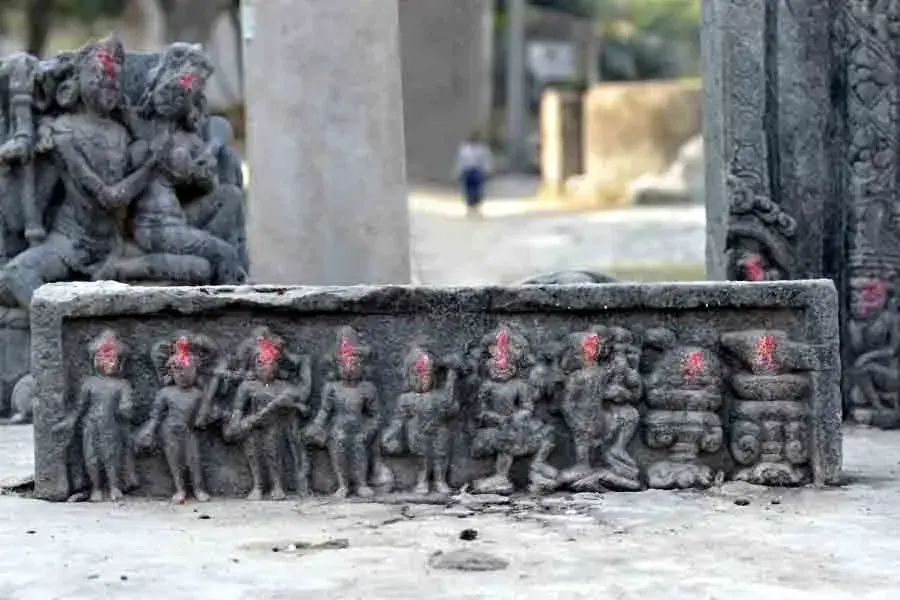
It is to be believed that Queen Ahilyabai Holkar named the village Pattharkaati, the hallmark of this GI tagged product is the use of Black granite distinctive material found in abundance in the region and a hill of black granite was discovered within the village, and the Vishnupad temple in Gaya is said to have been built using this very stone.
This art form is associated with over 650 artisans from Patharkatti village[2], who sculpt idols and artwork from black granite stone, including figures of Lord Buddha, Lord Mahavira and various other artistic pieces.
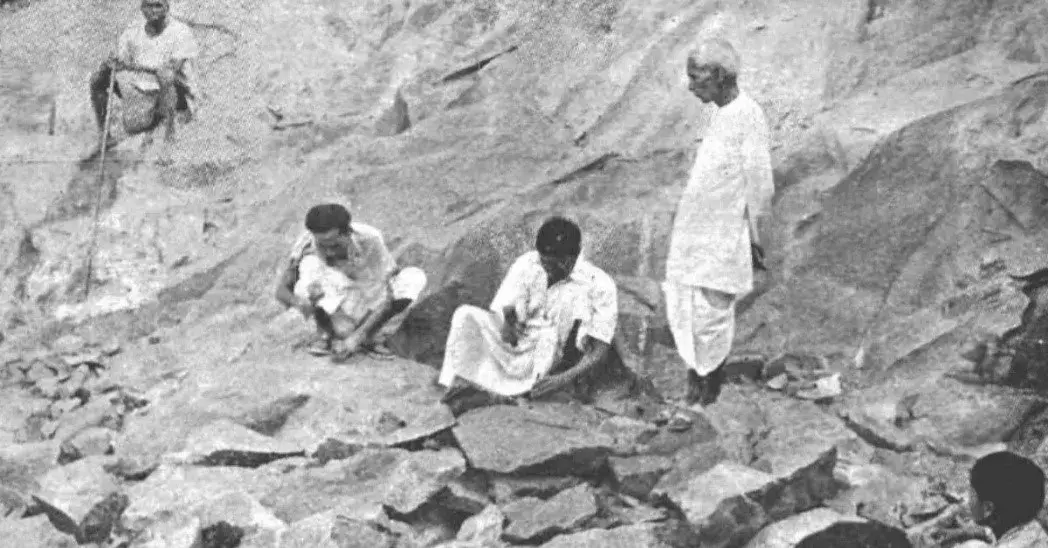
Efforts to secure the Geographical Indication (GI) tag for Patharkatti Stone Art began in 2022 and after persistent efforts, the GI tag was officially granted in January 2025 by a 10 members judicial panel in Ranchi, Jharkhand[4]. Granting recognition to this art means that only sculptures originating from Patharkatti village, crafted using traditional methods and materials can now be marked under the name “Patharkatti stone art.” This will help “Patharkatti stone art” to ensure authenticity, boost branding, grant protection from imitation and provide a new identity abroad not only to these artisans but also the sculpture which will also increase their income.
The Geographical Indication (GI) Tag for Patharkatti Stone Art comes at a time when India is strengthening its Intellectual property regime and placing renewed emphasis on protecting geographically rooted crafts and heritage products. The Geographical indications Registry officially reduced the application fee for registration of a GI by 80% from ₹5000 to ₹1000 while renewal fee dropped from ₹3000 to ₹500, this reform helps to lower financial barriers to filing GI tag especially for small producers, community organizations and will encourage more participation and safeguards traditional crafts across India[5].
Banuj Dutt , Former Intern at S.S.Rana & Co. has assisted in the research of this article.
Our Coverage on LinkedIn: https://www.linkedin.com/feed/update/urn:li:activity:7427586010856869888
[2] https://www.drishtiias.com/state-pcs-current-affairs/stone-art-of-gaya-district-got-gi-tag
[4] https://www.eminent-ias.com/notes/bihar-patharkatti-stone-art-gets-gi-tag