


By Lucy Rana and Huda Jafri
Introduction
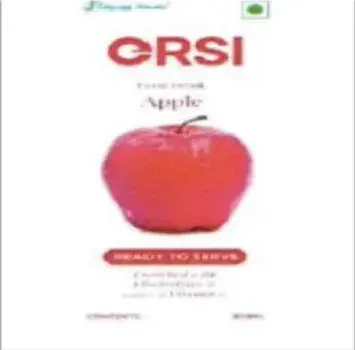
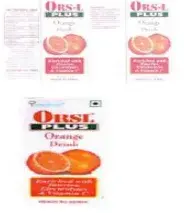
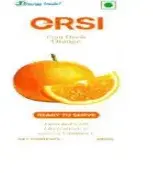
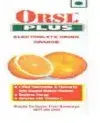
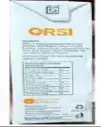
Can a product that mimics the look, feel, and name of a well-established brand escape liability by making only superficial changes? This was the central issue before the Hon’ble Delhi High Court in Johnson & Johnson Pte. Ltd. v. Mr. Abbireddi Satish Kumar & Ors.[1], where the plaintiff alleged a blatant attempt to ride on the goodwill of its popular electrolyte drink, “ORSL.” The infringing products, marketed under names like “ORSI”, “ERSI”, and “ElectroORS”, not only adopted similar-sounding marks, but also mirrored the plaintiff’s red-and-white packaging, fruit imagery, and font layout in what appeared to be a calculated act of deception.
Faced with this flagrant imitation, the Court invoked the Triple Identity Test to examine the similarity of marks, goods, and consumer base. In a sharply worded judgment, Hon’ble Justice Mini Pushkarna issued a permanent and mandatory injunction, awarded over ₹1.22 crore in damages, and delivered a strong message: wilful infringement, especially after an interim injunction, will not go unpunished. The ruling stands as a compelling precedent in Indian trademark law, offering clear guidance to rights holders, infringers, and courts alike on how to tackle cases of deceptive similarity in the digital age.
Background and Factual Matrix
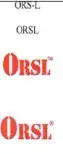
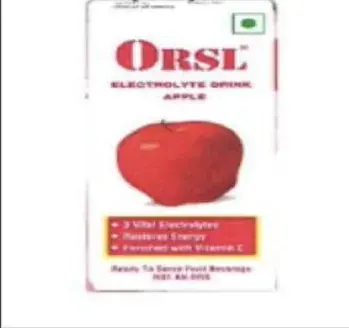
The dispute revolves around the flavoured electrolyte drink “ORSL,” a product originally introduced by Jagdale Industries Ltd. in 2003 and acquired by Johnson & Johnson Pte. Ltd. in 2014. The plaintiff marketed the product under a distinctive trade dress: a red-and-white colour palette, with prominent use of fruit imagery and a sleek modern font that consumers had come to associate with quality and reliability.
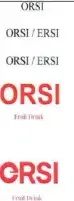
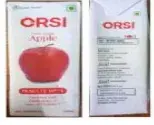
In late 2023, Johnson & Johnson discovered that certain entities were manufacturing and selling lookalike products under names such as “ORSI” , “ERSI”, and “ElectroORS”. These products not only shared similar names but also replicated the colour scheme, fruit symbols, layout, and font used by the ORSL
  brand. The plaintiff filed a commercial suit before the Hon’ble Delhi High Court in December 2023, leading to the grant of an interim injunction. However, subsequent reports by Local Commissioners and market surveillance revealed that the infringing goods remained on sale.
| Plaintiffs Well-known Trademarks and Trade dress | Defendant Impugned Marks/ Trade Dress |
 |
 |
 |
 |
 |
 |
 |
 |
 |
 |
Contentions of the Parties
Plaintiff’s Submissions:
- The plaintiff contended that there was wholesale imitation of the ORSL product, including its registered word mark, trade dress, and overall packaging.
- It argued that the defendants had deliberately mimicked not just the trademark but the “get-up” of the packaging, with minor cosmetic changes designed to deceive consumers.
- Jurisdiction was established on the basis of the availability of the infringing products on interactive e-commerce platforms accessible in Delhi, as permitted under Section 134(2) of the Trade Marks Act, 1999.
Defendants’ Submissions:
- Defendant No. 1 denied involvement in branding, claiming it only procured beverages from third parties.
- Defendants 2 to 8 distanced themselves from the core infringing activities, asserting they were contract manufacturers or distributors unaware of the intellectual property violations.
- Some defendants challenged the territorial jurisdiction of the Delhi High Court, arguing that their business operations were confined to Andhra Pradesh and Tamil Nadu.
Observations of the Court
Hon’ble Justice Pushkarna categorically held that the case involved clear and deliberate imitation of a registered trademark and its trade dress. She noted:
“The defendant no. 1 has attempted to come as close as possible to the marks and packaging of the plaintiff. The misappropriation… is writ large.”
-
- Application of the Triple Identity Test
At the heart of the Court’s reasoning lies the Triple Identity Test, a three-pronged inquiry first endorsed by Indian courts in Heifer Project International v. Heifer Project India Trust[2]. The test evaluates:- Similarity of the marks (visual, phonetic, conceptual),
- Similarity of the goods or services, and
- Similarity in the class of consumers or trade channels.
This test is particularly relevant in sectors like FMCG and healthcare, where consumer decisions are often made hastily and based on visual or phonetic impressions rather than close scrutiny.
Applying the test, the Court found:- Identical Goods: Both the plaintiff and defendants were selling oral rehydration solutions (ORS) in the form of flavoured beverages.
- Identical Trade Channels and Consumer Base: The products were sold over the counter and via online marketplaces, targeting the same class of consumers.
- Deceptively Similar Marks and Trade Dress: The marks “ORSI”, “ERSI”, and “ElectroORS” were phonetically similar to “ORSL”. The replication of packaging elements including the red-white colour scheme and fruit illustrations confirmed an intent to deceive.
- Application of the Triple Identity Test
The Hon’ble Court concluded that the Triple Identity Test was “fully satisfied”, making the likelihood of confusion “not just probable, but inevitable”.
- Infringement, Passing Off and DilutionHon’ble Justice Pushkarna reaffirmed that trademark infringement under Section 29 of the Trade Marks Act requires no proof of actual confusion, likelihood suffices. Simultaneously, passing off, a common law remedy, was held to apply since the infringing goods misrepresented their commercial origin.The Court referred to the classic test in Cadila Health Care Ltd. v. Cadila Pharmaceuticals Ltd.,[3] which emphasised that when the products relate to public health, courts must apply stricter standards.Moreover, citing South India Beverages v. General Mills[4], the Court reiterated that minor differences in font, label placement or additional suffixes do not protect an infringer where the overall commercial impression is of copying.
- Jurisdiction via E-Commerce
The Court reaffirmed that e-commerce presence is a valid ground for jurisdiction under Section 134(2), following World Wrestling Entertainment Inc. v. Reshma Collection[5]. Accessibility in Delhi sufficed, even if the defendants’ primary operations were located elsewhere. - Contempt of Interim InjunctionSignificantly, the Court found that the defendants continued to sell infringing products after the interim injunction, amounting to wilful disobedience and contempt of court. The Local Commissioners’ reports demonstrated ongoing production, reinforcing the need for punitive damages.
- Final Relief and Damages Awarded
The Court decreed the suit in favour of the plaintiff and issued a permanent and mandatory injunction restraining all defendants from using the marks “ORSI,” “ERSI,” “ElectroORS” or any deceptively similar variant.
Damages Breakdown:
- ₹52,56,864 as compensatory damages against Defendant No. 1.
- ₹50,00,000 as punitive damages against Defendant No. 1, due to wilful misconduct.
- ₹15,00,000 against Defendants 2–5.
- ₹1,00,000 against Defendant 6.
- ₹1,50,000 each against Defendants 7 and 8.
The total quantum of damages: ₹1,22,56,864. Additionally, the plaintiff was permitted to submit a bill of costs for further litigation expenses.
Recent Similar Cases Applying the Triple Identity Test
The Triple Identity Test, which evaluates similarity in (i) trademarks, (ii) products or services, and (iii) trade channels or consumer base, has been consistently upheld by Indian courts in recent decisions.
-
- Heifer Project International Ltd. v. Heifer Project India Trust[6]
Hon’ble Justice Sanjeev Narula termed this a “classic case of triple identity” under Indian trademark law. The Court found:- Marks: nearly identical (Heifer Project International vs. Heifer Project India Trust)
- Goods/services: same charitable/trust services
- Target audience/trade area: identical
Permanent injunction was granted in favor of the plaintiff.
- Lifestyle Equities v. Amazon Technologies, Inc.[7] (Beverly Hills Polo Club)
- Heifer Project International Ltd. v. Heifer Project India Trust[6]
In this landmark decision, the Hon’ble Delhi HC held that Amazon India sold garments bearing a symbol/logo dangerously similar to the “Beverly Hills Polo Club” trademark. The Court explicitly applied the Triple Identity Test, finding:
-
-
- Marks: nearly identical logos
- Goods: identical apparel
- Customers/channels: same e-commerce consumers
-
Awarded damages of INR 339.25 crore, along with a permanent injunction.
Together with the Johnson & Johnson ruling, these decisions underscore the growing reliance on the Triple Identity Test as a decisive framework in trademark infringement litigation, particularly in the context of lookalike products and brand dilution in the FMCG and healthcare segments.
Conclusion
The Hon’ble Delhi High Court’s ruling in Johnson & Johnson case stands as a landmark judgment in Indian trademark enforcement, especially for cases involving trade dress and packaging in the FMCG and pharmaceutical domains. The robust application of the Triple Identity Test, coupled with the Court’s imposition of compensatory and punitive damages, underscores the judiciary’s commitment to deterring wilful infringement.
In an era where brand piracy is increasingly sophisticated and digitally enabled, the judgment serves as a clear signal that the Indian legal system will not tolerate imitative conduct that seeks to exploit consumer trust and dilute hard-earned goodwill.
[1] Johnson & Johnson Pte. Ltd. v. Mr. Abbireddi Satish Kumar & Ors., CS(COMM) 801/2023
[2] Heifer Project International v. Heifer Project India Trust, 2014 SCC OnLine Del 7489
[3] Cadila Health Care Ltd. v. Cadila Pharmaceuticals Ltd., (2001) 5 SCC 73
[4] South India Beverages v. General Mills, 2015 (61) PTC 231 (Del)
[5] World Wrestling Entertainment Inc. v. Reshma Collection, 2014 (58) PTC 474 (Del)
[6] Heifer Project International v. Heifer Project India Trust, 2024 SCC OnLine Del 2847
[7] Lifestyle Equities v. Amazon Technologies, Inc., CS(COMM) 443/2020