

AI is rewriting the rules, courts are redrawing boundaries, and brands are finding new ways to protect what makes them distinctive. From AI-assisted patent examination and the copyright implications of training data to new tests for patentability, pharmaceutical lifecycle protection and the rise of motion marks, India’s IP landscape is evolving at pace. Recent court decisions also offer important lessons on brand protection, trademark registration and appellate remedies, while developments in music licensing highlight emerging compliance challenges for businesses. Read our latest IP Newsletter for a concise look at the developments, decisions and trends shaping the IP landscape in India, and what they mean for businesses, innovators and brand owners.

AI in Patent Examination: Inside India’s New Guidelines from the CGPDTM
India’s patent examination system is entering the AI era. The new CGPDTM Guidelines permit AI-assisted support for classification, prior-art searches, translation, claim analysis and other examination tasks, but firmly preserve human oversight: AI may assist the Examiner or Controller, but cannot replace their independent application of mind.

‘Can Thinking Get You a Patent?’ The Delhi High Court Frames a Seven-Step Test for Section 3(m)
The Delhi High Court has introduced a structured seven-step framework for assessing Section 3(m) objections, particularly relevant to software, telecommunications, electronics and AI-related inventions. The judgment focuses attention on what the claim, read as a whole, actually seeks to monopolise rather than simply isolating individual mental steps.

Two Frontiers of Pharmaceutical Exclusivity: What Retatrutide and Semaglutide Tell Us About Protecting a Drug Across Its Lifecycle
Retatrutide and semaglutide illustrate why pharmaceutical IP strategy increasingly needs to look beyond a single patent. The article explores how innovators can build layers of protection around a drug across its lifecycle, turning incremental innovation into a broader exclusivity strategy.
Biological Material Patents in India: Why a Pending NBA Application Should Not Mean Refusal
The article examines the intersection between patent protection for biological material and India’s biodiversity framework. It highlights why the mere pendency of an application before the National Biodiversity Authority should not automatically translate into refusal of an otherwise patentable invention.

Training Data on Trial: What ANI Media v. OpenAI Signals for Businesses Using and Building AI in India
The ANI Media v. OpenAI dispute places AI training data at the centre of India’s evolving copyright debate. The Delhi High Court’s interim-stage approach distinguishes the use of copyrighted material for training from infringement through AI outputs, making the case an important early signal for both content owners and businesses building or deploying AI systems.

Delhi High Court Cancels ZOOOK Copyright Registration Secured Through a Flawed Trade Marks Search Certificate
The ZOOOK decision highlights how an error in the supporting documentation for an IP registration can have consequences for the registration itself. The ruling serves as a reminder that accuracy in IP filings is not merely procedural; it can directly affect the strength and validity of the resulting right.
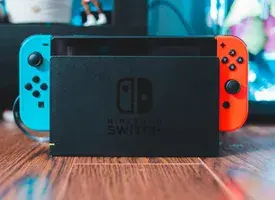
Delhi High Court Grants Ex-Parte Ad-Interim Injunction to Nintendo Co. Ltd. Against Nintendo India Private Limited
The Delhi High Court’s grant of an ex-parte ad-interim injunction in favour of Nintendo Co. Ltd. highlights the importance of swift interim relief where valuable brand identity and goodwill are at risk. The decision demonstrates how courts can act at an early stage to prevent potentially damaging use of established marks.

Delhi High Court Cancels “Glass Skin” Trademark: Descriptive Beauty Claims Cannot Be Monopolised
Can a beauty-industry buzzword become an exclusive trademark? The Delhi High Court’s “Glass Skin” decision reinforces the limits of trademark protection for descriptive expressions, particularly where a term is used by the industry to describe a desired product or cosmetic result rather than identify a single commercial source.

Registration Is Not Immunity: The Kerala High Court’s Trade Mark Lesson in M. Manuel v. Malabar Gold
The Kerala High Court has underlined an important trademark principle: registration does not make a mark immune from challenge. The decision brings prior use, goodwill and the limits of protection for geographical and descriptive elements into sharp focus.
No Letters Patent Appeal Against Single Judge Orders Passed in Statutory Appeals Under Section 91 of the Trade Marks Act, 1999
The Gujarat High Court has held that a Letters Patent Appeal does not lie against a Single Judge’s order passed in a statutory appeal under Section 91 of the Trade Marks Act. The ruling carries important procedural implications for trademark litigants and adds to the evolving jurisprudence on appellate remedies in IP matters.

When an Order is Really a Decree: Section 131 Maintainability in the Leshark Trademark Case
The Leshark case examines whether a final order in trademark proceedings can qualify as a decree for appellate purposes. The decision highlights the importance of looking at the substance and legal effect of an order, rather than simply the form or label attached to the proceeding.

Motion Marks: Registering Movement as a Trademark in India
As brands increasingly use animation and dynamic digital identities, movement itself is becoming an interesting frontier for trademark protection. The article explores the possibility of registering motion marks in India and the challenges of establishing distinctiveness for a moving brand element.

Music Licensing in India: PPL, IPRS, Novex and What the 2025-26 Rulings Mean for Restaurants, Hotels and Venues
Recent rulings have made music licensing an increasingly important compliance issue for restaurants, hotels and other commercial venues. The article examines the roles of PPL, IPRS and Novex and explains why businesses should identify the relevant rights and licensing requirements before publicly playing music.