






The Madrid Protocol: Your Gateway to Global Brand Protection
A practical guide for Indian businesses and entrepreneurs looking to protect their trademarks across international markets — efficiently and affordably.
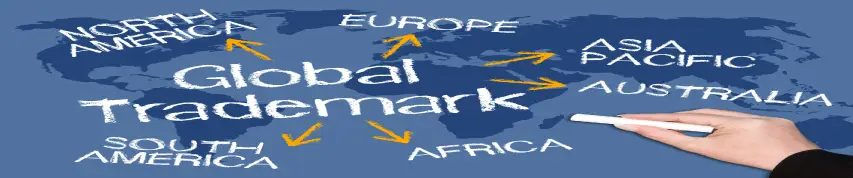
The Madrid Protocol is a streamlined international system that enables trademark owners to protect their brand in up to 130 countries through a single application, in one language, with one set of fees. Administered by WIPO (World Intellectual Property Organization), it offers centralized management of registrations — making global expansion far more accessible than filing separately in each country. India joined the Madrid Protocol in 2013, and today it represents one of the most valuable tools available to Indian businesses expanding abroad.
Advantages & Challenges
| Advantages | Challenges |
| One Application, Global Reach — File once, in one language, covering 130+ member countries. | Home Application Dependency — International registration relies on your home trademark for the first five years. |
| Cost Efficiency — Significantly lower filing and administrative costs vs. separate national filings. | Country-Specific Examination — Each country applies its own laws; objections or refusals are possible. |
| No Mandatory Local Lawyers — No need to appoint local counsel unless an office action or objection is raised. | Language & Cultural Nuances — Local differences may affect brand perception even with centralized filing. |
| Flexible Expansion — Countries not initially designated can be added later by paying the respective fee. | Automatic Opposition Exposure — Madrid applications are publicly visible and open to third-party oppositions. |
| Centralized Management — Renewals, ownership changes, and updates handled through one system. |
Central Attack: The Hidden Risk
One of the most significant — and often overlooked — vulnerabilities under the Madrid Protocol is the “central attack” provision.
Your international registration is directly dependent on your basic (home country) application or registration for the first five years. If that basic application is refused, withdrawn, or cancelled within this period, your international registration falls with it. This means all global protections tied to that registration are lost in one stroke — across every country you designated. Competitors aware of vulnerabilities in your home application can deliberately target it to bring down your entire international portfolio.
This risk makes the strength of your home (Indian) trademark filing critically important before proceeding internationally.
Transformation Provisions: Your Safety Net
The Protocol provides a safeguard against central attack — known as transformation provisions.
If your international registration is cancelled due to central attack, you have the right to transform it into individual national applications in each designated country. Transformation is more expensive and time-consuming than maintaining the international registration — but crucially, you retain your original filing date, preserving your priority rights. Priority rights are a powerful advantage in trademark disputes, determining who has the prior claim to a brand in a given territory.
Working with experienced trademark counsel significantly reduces the likelihood of central attack and ensures transformation is handled correctly if required.
Strategic Considerations for Indian Applicants
- Home Filing
- Ensure your Indian trademark application is robust and defensible before using it as the base for a Madrid filing. A weak home mark creates systemic risk.
- Market Selection
- Prioritise markets where you actively trade — the US, EU, UAE, UK, Singapore, and Australia are common choices for Indian exporters and startups.
- Five-Year Window
- Plan proactively around the five-year dependency period. Securing independent national rights in key markets before this window closes is wise risk management.
- Opposition Watch
- Given that Madrid applications are publicly visible, a trademark watch service helps you monitor and respond to potential oppositions promptly.
Final Takeaway
The Madrid Protocol is one of the most powerful tools available to Indian businesses seeking international brand protection. Its efficiency, reach, and affordability make it a compelling choice — but it demands careful strategy. Understanding the risks of central attack, knowing how to leverage transformation provisions, and building on a solid home trademark are the pillars of a successful Madrid strategy. With experienced counsel, the system becomes a genuine competitive advantage for your brand’s global journey.
Access the Madrid Fee Calculator here: WIPO Madrid Fee Calculator
International Trademark Registration - Madrid Protocol
Any Indian individual or business that has a national trademark application or registration with IPINDIA can file an international application under the Madrid Protocol.
Once WIPO receives the application, it typically takes 12 to 18 months for designated countries to complete their examination and approve or refuse the registration.
Yes, additional countries can be designated later by filing a subsequent designation request with WIPO.
If a country refuses the application, the applicant can respond to objections by engaging a local trademark attorney to overcome the refusal.
The international registration is valid for 10 years and can be renewed directly through WIPO.
The total cost varies based on the number of countries selected, the number of classes, and whether the mark is in black & white or color. Use the Madrid Fee Calculator to get an estimate.